
A patented breakthrough in metal surface engineering with a unique industrial impact.

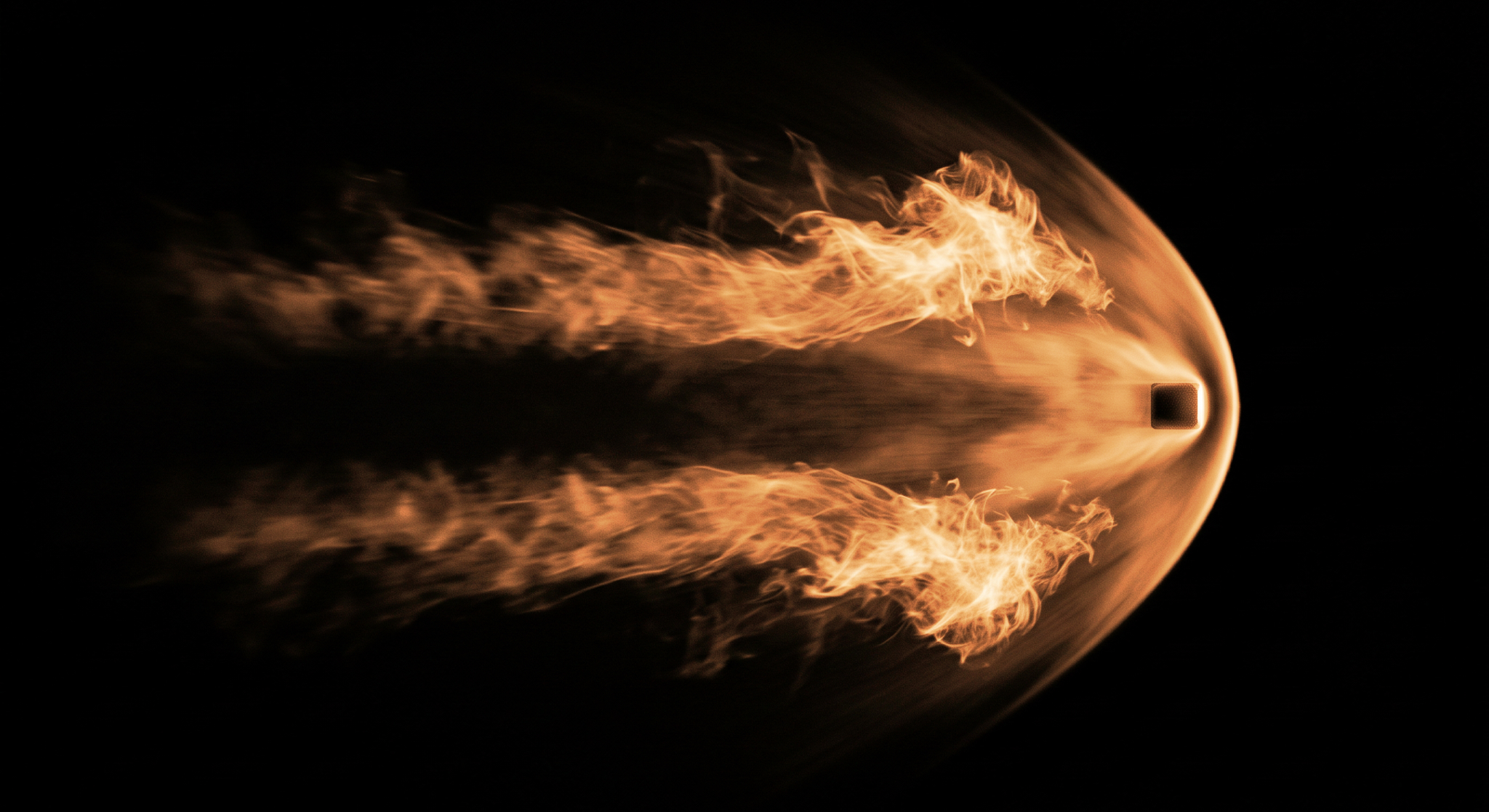
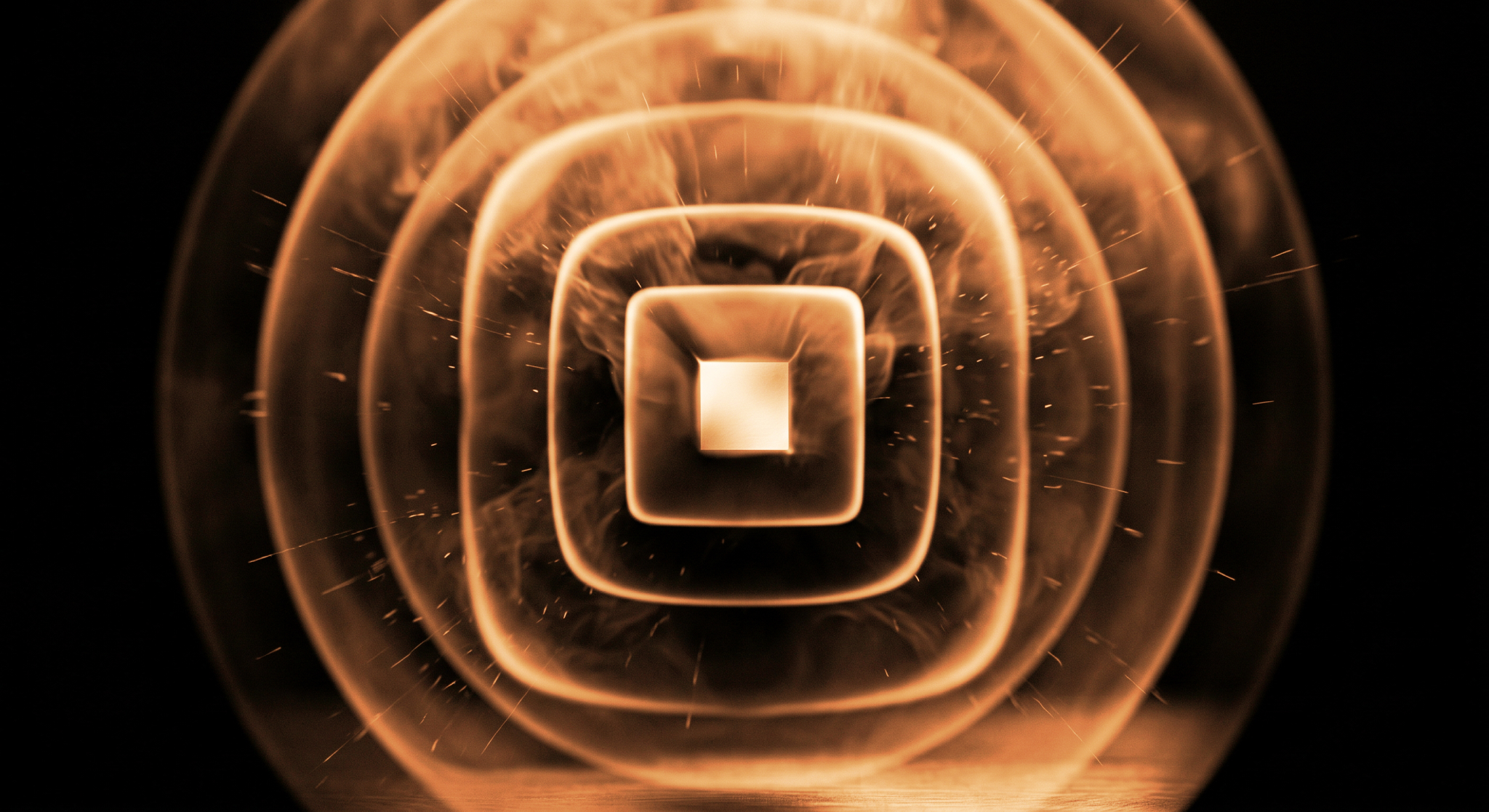
A plasma discharge inside the PSP device generates a high pressure pulse that accelerates a solid impactor beyond 6000 m/s.
On impact, it produces controlled plastic deformation at the micron scale.
The resulting shockwave propagates into the bulk material, imparting compressive residual stress to a depth of 1+mm per application layer.
PSP runs cold, carried by a standard industrial robot arm.
Impact velocity
6000+ m/s, supersonic
Stress depth
1+ mm
Residual stress
450+ MPa
Device weight
10.5 kg
Application frequency
2Hz
Power supply
24 V DC
Compressed air supply
7 bar
Robot payload class
12 kg
Three steps for
greater results
Generate
01
A plasma discharge accelerates a solid impactor beyond 6000 m/s. No laser, no water, no dedicated building needed.
Strike
02
The impactor hits the metal surface. A shockwave propagates into the depth of 1+ mm.
Strengthen
03
Compressive residual stress is imparted into both surface and sublayer.
Residual stress profile
Tool steel Uddeholm Dievar. Measured by hole-drilling method per ASTM E837-20.
- Surface residual compressive stress (RCS): 400MPa
- RCS level at 0.5 mm depth: 200 MPa
- Treatment impact depth: 1+ mm
- Gradient: notably smooth throughout
How do I build the internal business case?
250,000 cycles
6.2 million cycles
Device cost recovery is a matter for your business case — it depends on part value, replacement cost, and annual volume.

Shock vs. shot peening. Is there a difference?
There is, a massive one.
Shock peening utilizes shockwave, while shot peening means blasting particles. Shockwave delivers high magnitude residual compressive stress into exceptional depth up to 1+ mm per one application layer.
1.0+ mm
Shock peening residual compressive stress
0.2 - 0.5 mm
Shot peening residual compressive stress
Good questions you could ask and even better answers
Results
Integration
Leave us a message
Tell us what you're treating. We'll tell you what's possible.